Lovely Darling: The Script Font That Balances Elegance and Approachability
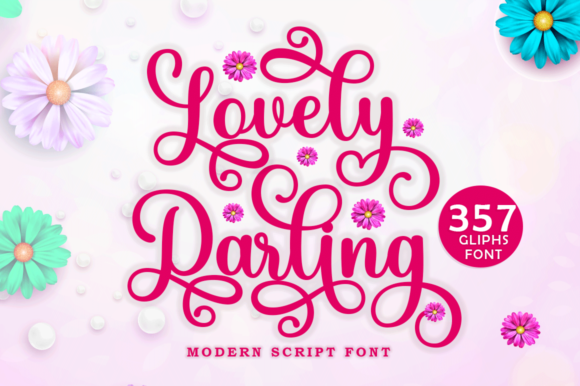
When you're building a brand or crafting a design that needs to feel both polished and personal, the typeface you choose does more heavy lifting than most people realize. Lovely Darling is a sweet, cursive handwritten signature script font that occupies a specific and valuable niche in modern typography. It's not trying to be everything. Instead, it delivers a joyful, romantic warmth that works beautifully across a surprising range of projects—from wedding invitations to social media graphics, from boutique logos to editorial layouts.
What makes this particular script font worth a closer look? Let's break down its personality, its best applications, and how to actually use it well in real design work.
The Visual Character of Lovely Darling
At its core, Lovely Darling is a flowing, connected script with the organic irregularity you'd expect from genuine handwriting. The letterforms carry a gentle slant, with smooth curves and delicate swashes that give each word a sense of movement. Unlike some handwritten fonts that lean too far into casual territory—think grocery list scrawl—or others that swing into overly formal calligraphy, this typeface finds a middle ground. It feels like someone took the time to write something special, but without the stiffness of a formal invitation.
The strokes vary naturally in weight, mimicking the way a pen or brush responds to pressure. That variation is what separates a quality premium font from a flat, lifeless one. The lowercase letters connect fluidly, creating a sense of rhythm across a line of text. Meanwhile, the uppercase characters bring a bit more flourish, making them ideal for initials, monograms, or the first word of a headline.
As a display font, Lovely Darling isn't designed for long paragraphs of body copy. Its strength lies in headlines, logos, taglines, and short bursts of expressive text. Think of it as the accent piece in a room full of furniture—it draws the eye and sets the mood without overwhelming everything else.
Where This Script Font Truly Shines
Understanding where a creative font like this works best saves you from the common mistake of forcing it into roles it wasn't built for. Here's where Lovely Darling earns its place in your design assets toolkit.
Branding and Logo Design
For businesses that want to project warmth, femininity, creativity, or a boutique sensibility, this font can anchor a logo or serve as a complementary wordmark. A bakery, a floral studio, a lifestyle blog, a handmade jewelry line—these are the kinds of brands where Lovely Darling feels authentic rather than forced. Paired with a clean sans serif font for supporting text, it creates a visual hierarchy that's both elegant and readable.
Wedding and Event Stationery
This is perhaps the most natural home for a romantic script font. Save-the-dates, ceremony programs, menu cards, thank-you notes—Lovely Darling handles all of these with grace. Its cursive flow gives printed pieces a handcrafted quality that couples and event planners gravitate toward. The font also translates well to digital formats, which matters when you're designing matching social media announcements or a wedding website.
Marketing and Social Media
Here's where practicality meets aesthetics. Instagram posts, Pinterest graphics, email headers, and promotional banners all benefit from a typeface that stops the scroll. A single line set in Lovely Darling can serve as a visual anchor in a layout, especially when contrasted against a bold serif font or a geometric sans serif. The key is restraint—use it for emphasis, not for every word on the screen.
Packaging and Product Design
If you're designing labels, tags, or packaging for products that emphasize craftsmanship or personal touch, this handwritten font communicates that story before anyone reads a single description. Think candle labels, soap wrappers, artisan food packaging, or boutique cosmetics. The typeface does the emotional work, letting the product details live in a more neutral companion font.
Publishing and Editorial Design
Magazine features, blog headers, cookbook chapter titles, and lookbook covers all benefit from a touch of personality. Lovely Darling works well as a headline or pull-quote font in editorial design, adding visual interest without sacrificing the overall cohesion of the layout. It pairs especially well with a traditional serif font for body text, creating a dynamic contrast between expressive and functional.
How the Right Font Shapes Brand Perception
Typography is one of the fastest ways to communicate a brand's personality. Before someone reads a single word, the shape and style of the letters have already set an expectation. A script font like Lovely Darling signals approachability, creativity, and a human touch. It tells your audience that there's a real person behind the brand, not just a corporation.
That said, font choice also affects readability and visual hierarchy. The most beautiful typeface in the world is useless if people can't read your message. When using Lovely Darling, keep your text sizes generous, maintain adequate contrast against backgrounds, and limit its use to short-form content. Let a legible sans serif or serif font handle the heavy lifting for paragraphs, captions, and fine print.
Consistency matters too. Once you've chosen Lovely Darling as part of your brand identity, use it deliberately and uniformly across all touchpoints. A logo in one script, a website header in another, and social media graphics in a third creates confusion. A cohesive typography system—one that includes your display font, body font, and accent font—builds recognition and professionalism over time.
Practical Tips for Working with Lovely Darling
Before committing to any commercial font, test it thoroughly. Set your actual brand name, taglines, and key phrases in the typeface. Does it feel right at the sizes you'll use most? Does it maintain legibility on both screen and print? These are the questions that separate a good font choice from a regrettable one.
Lovely Darling is PUA encoded, which means every glyph and ligature is accessible through standard character map tools. This is a significant practical advantage, especially if you want to use alternate letterforms, stylistic swashes, or decorative ligatures to customize your text. Take the time to explore what's included—those alternates can make the difference between a generic result and something that feels truly tailored to your project.
Font pairing is another critical consideration. Because Lovely Darling is an expressive script, it needs a grounded companion. A clean geometric sans serif, a modern sans serif with even strokes, or a classic serif font all work well as counterbalances. Avoid pairing it with other decorative or overly stylized fonts, which creates visual noise rather than harmony.
Finally, review the licensing terms before using the font in commercial projects. Most premium fonts include clear guidelines for commercial use, but it's worth confirming that your intended application—whether it's client work, product packaging, or digital marketing—is covered.
Making It Work for Your Next Project
The best font choices aren't about following trends or picking what looks impressive in a specimen sheet. They're about matching the personality of the typeface to the story you're telling. Lovely Darling excels when you need a handwritten, romantic, and joyful voice in your design work. Used thoughtfully, it elevates branding, enriches marketing materials, and adds a layer of human warmth that resonates with audiences across age groups and industries.
Whether you're a designer refining a client's brand identity, a small business owner creating packaging for your product line, or a content creator looking for a signature style, this script font deserves a spot in your rotation. Just remember: the font is the starting point. Your design decisions around pairing, spacing, hierarchy, and context are what turn a good typeface into a great visual identity.