Monogram Gnome: Adding Whimsy to Your Creative Projects
Every designer, entrepreneur, and content creator eventually hits a wall where standard typography just feels too corporate or sterile. When you are working on a holiday campaign, a children's party invitation, or a cozy lifestyle brand, you need a typeface that brings warmth and personality. That is exactly where Monogram Gnome enters the picture. It is not just another holiday font; it is a versatile tool designed to inject a sense of fun and festivity into your visual assets. If you are looking to expand your library with a creative font that breaks the mold of stiff sans serifs, this premium font offers a refreshing alternative that balances character with usability.
A Closer Look at the Typeface's Personality
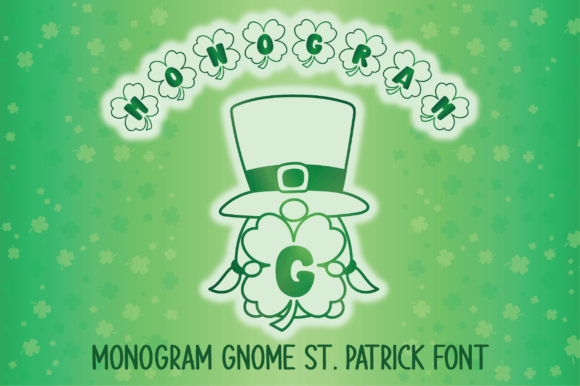
Understanding the visual language of Monogram Gnome is key to using it effectively. Unlike traditional serif fonts that demand authority or clean sans serif fonts that scream efficiency, this typeface leans into a playful, illustrative aesthetic. The letterforms often feature soft curves, slightly irregular baselines, and decorative touches that mimic the whimsy of storybook illustrations. It possesses a distinct "handmade" quality without sacrificing the consistency required for professional logo design or brand identity.
The style bridges the gap between a script font and a display font. While it is decorative, it maintains a surprising level of clarity. The designers have ensured that the x-height is sufficient for readability, even at smaller sizes, which is a common pitfall in many novelty typefaces. The overall appeal lies in its ability to feel nostalgic and modern simultaneously. It captures a retro vibe that fits well with current trends in modern typography, where authenticity and warmth are highly prized over cold minimalism.
Real-World Applications: Where It Fits Best
The versatility of Monogram Gnome is one of its strongest selling points. It is not limited to one niche, making it a valuable asset for various industries. For those in packaging design, particularly in the food, beverage, or artisanal goods sectors, this font adds an immediate "homemade" or "craft" feel to labels. It suggests that the product inside is made with care and personality.
For digital creators and marketers, the font shines in social media graphics. In a sea of generic Helvetica and Arial posts, a whimsical font stops the scroll. It is perfect for Instagram stories, headers for blog posts about lifestyle or parenting, and promotional graphics for seasonal sales. However, it is crucial to consider the context. While it works beautifully for a bakery’s web design headers, it might be too informal for a serious corporate legal firm. Here are a few specific scenarios where the font excels:
- Editorial Design: Use it for pull quotes or section headers in magazines to add a burst of energy.
- Merchandise: It translates well onto physical goods like tote bags, mugs, and t-shirts where personality is the main selling point.
- Event Branding: Ideal for wedding invitations (especially rustic themes), birthday party decor, and holiday stationery.
- Greeting Cards: Its friendly demeanor makes it a natural fit for the stationery market.
Strategic Typography: Influence on Brand Perception
Typography is rarely just about how letters look; it is about how they make your audience feel. Choosing Monogram Gnome is a strategic decision that signals approachability and creativity. In terms of brand identity, this typeface tells the viewer that your brand is friendly, perhaps a bit quirky, and definitely not boring. It builds a visual hierarchy that draws the eye to key messages without the aggression of bold, blocky type.
However, relying solely on a display font for all communication is a mistake. To maintain professionalism and readability, you must master the art of font pairing. Monogram Gnome demands a grounding partner. Because it is highly stylized, pairing it with another decorative font will result in visual chaos. Instead, pair it with a neutral, geometric sans serif font for body text. This contrast allows the personality of the gnome font to shine while ensuring your main content remains legible. This balance is essential for design assets that need to communicate complex information while retaining a distinct voice.
Practical Guide to Implementation
Before you commit to using Monogram Gnome for a major commercial font project, there are a few practical steps you should take. First, evaluate the specific styles included in the font family. Does it come with alternates, ligatures, or different weights? These extras can significantly enhance your design by allowing you to vary the letterforms so they don't look repetitive.
Second, test the font at the exact size you intend to use it. A common oversight in web design is using a display font for mobile viewports where it might pixelate or become illegible. Always check cross-browser compatibility and rendering on different devices. Third, review the licensing. If you are a small business owner planning to use the font on merchandise for sale, ensure your license covers commercial use. Many free fonts found online are for personal use only, so investing in a premium font like this ensures you are legally covered for business growth.
Ultimately, Monogram Gnome is a powerful tool in the right hands. It offers a solution for designers and creators who want to break away from the mundane and create connections through visual delight. By understanding its strengths and pairing it wisely, you can elevate your next project from standard to standout.