Color: A Retro Display Font for Creative Projects
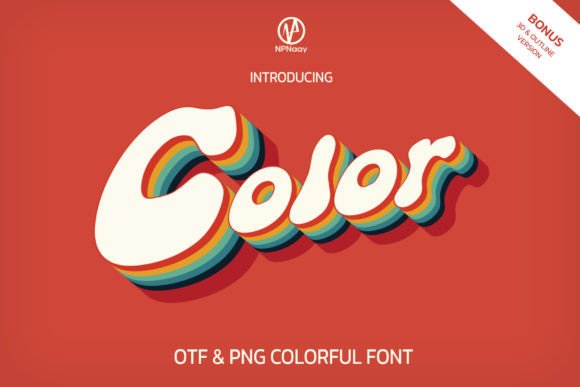
There’s a certain magic in designs that feel both familiar and fresh. They tap into a sense of nostalgia while still looking completely contemporary. That’s the sweet spot the Color font occupies. It’s a cool, retro, and undeniably cute display typeface that doesn’t just sit on a page—it adds personality. Think of it as the typographic equivalent of a perfectly chosen vintage accessory that makes an entire outfit stand out.
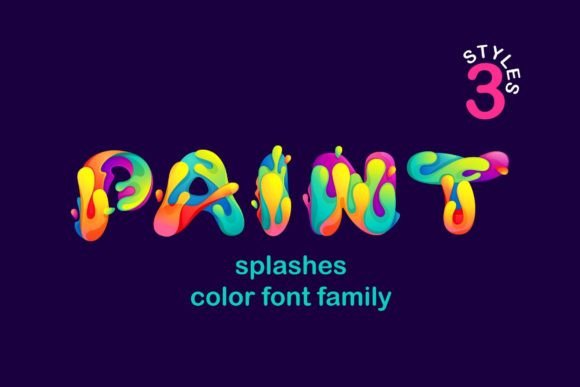
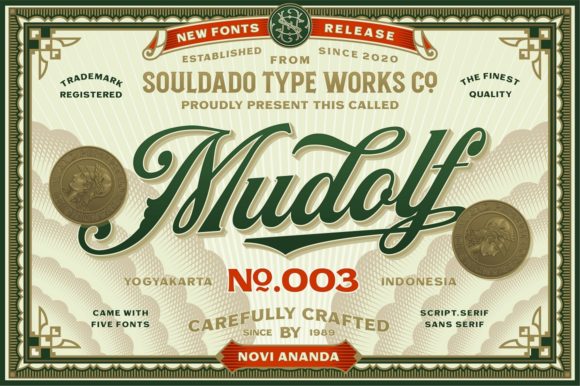
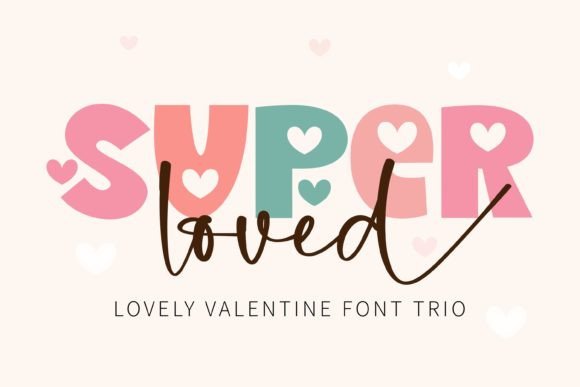
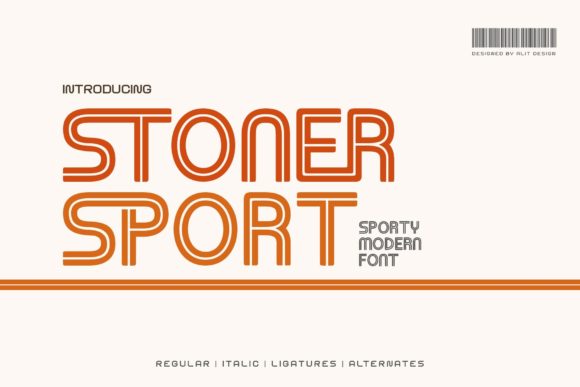
At its core, Color is a premium font designed for impact. Its visual characteristics lean into rounded forms, playful curves, and a weight that feels substantial without being heavy. The letterforms have a soft, approachable quality, often with subtle variations in stroke width that give it a hand-crafted, almost script font sensibility, but with the consistency of a digital typeface. This isn’t a sans serif font for body text or a traditional serif font for long-form reading. Its personality is bold, friendly, and optimistic, making it an instant mood-setter for any project it graces.
Where This Creative Font Truly Shines
Understanding a font’s strengths is key to using it effectively. Color isn’t a workhorse; it’s a specialist. Its greatest value lies in applications where headline impact, brand recognition, and emotional appeal are paramount. In editorial design, it can transform a magazine cover or a chapter title, injecting energy and a distinct visual voice. For packaging design, especially for products targeting a younger demographic or those with a fun, artisanal, or retro vibe, Color can be the hero element that catches a shopper’s eye on a crowded shelf.
The digital realm is another natural home. As a creative font, it excels in social media graphics, Instagram stories, YouTube thumbnails, and Pinterest pins where grabbing attention in a split second is non-negotiable. It’s equally powerful in web design for impactful hero section headlines, call-to-action buttons, or promotional banners that need to pop. For entrepreneurs and small business owners, this font can become a cornerstone of a vibrant brand identity, especially for businesses in the lifestyle, beauty, food, or creative services sectors.
Practical Guidance for Using Color
Choosing a font is just the first step. The real skill lies in implementation. Here’s how to get the most out of Color in your projects.
- Evaluate the Project Fit: Ask yourself if your project’s tone aligns with the font’s personality. Color is fantastic for a children’s book title, a boutique bakery’s logo, or a podcast intro graphic. It might be less suitable for a law firm’s annual report or a technical whitepaper. The goal is harmony between the font’s style and your project’s message.
- Master the Font Pairing: A display font like Color needs a partner. For body text, pair it with a clean, highly readable sans serif font or a simple serif font. This creates a clear visual hierarchy. Let Color handle the headlines and subheads, while its partner font manages the longer, more detailed content. This contrast ensures both style and readability.
- Review the Included Styles: A quality commercial font often comes with more than just the base style. Check if Color includes alternate characters, ligatures, or different weights. These extras can provide valuable flexibility, allowing you to fine-tune the look for specific applications, like creating a more intricate logo design or varying emphasis in a layout.
- Test for Readability: Always test the font in context. View it at the actual size it will be used, whether on a mobile screen or a printed poster. While it’s designed for display, ensure any smaller text (like a tagline) remains legible. Its rounded, retro forms are generally clear, but context is everything.
- Understand the Licensing: Before using any premium font in a commercial project, review the license. Confirm it covers your intended use—whether for a client’s brand, merchandise, digital products, or print-on-demand goods. Proper licensing protects you and ensures you’re using the design assets legally and ethically.
Elevating Brand Perception and Engagement
Typography is a silent ambassador for a brand. The fonts you choose communicate values and personality before a single word is read. Using a distinctive typeface like Color can significantly influence brand perception. It signals creativity, approachability, and a sense of fun. This can enhance audience engagement, as people are naturally drawn to designs that feel lively and authentic. Consistency in using such a font across touchpoints—from your website to your packaging—builds recognition and professionalism, even when the style itself is playful.
Think of a local coffee shop using Color on its menu boards and social media. It creates a cohesive, welcoming, and memorable atmosphere. A blogger using it for section headers adds a layer of visual interest that keeps readers scrolling. The font becomes part of the experience. It’s not just about looking good; it’s about creating a feeling and a connection. In a crowded marketplace, that emotional resonance is a powerful tool for standing out and building a loyal following.
Ultimately, Color is more than just a set of letters. It’s a versatile tool in the modern designer’s toolkit, a display font that bridges retro charm with contemporary appeal. Its strength lies in its ability to inject personality, clarity, and joy into a wide spectrum of creative work, from personal craft projects to major branding initiatives. By understanding its character and applying it thoughtfully, you can harness its potential to make your next creation not just seen, but truly felt.