Love Story: The Modern Script Font for Feminine Branding
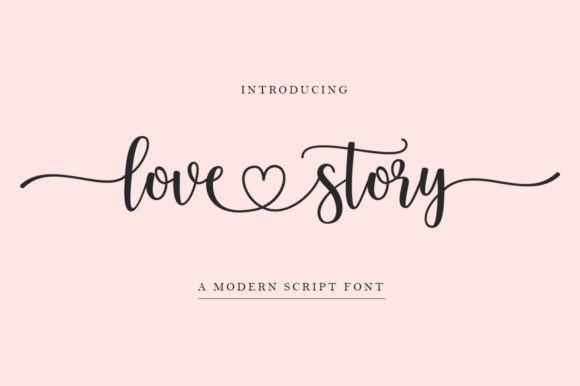
There is a distinct energy in design right now that favors the authentic over the mechanical. We are moving away from rigid, perfect geometry and embracing typography that feels human and immediate. If you have been searching for a typeface that captures this shift, specifically within the feminine and lifestyle sectors, you will want to pay close attention to Love Story. It is a modern script font that breaks away from the constraints of a flat baseline, offering an irregular, dynamic flow that mimics natural handwriting.
For entrepreneurs, designers, and content creators, finding a font that feels trendy yet timeless is a significant challenge. Love Story strikes that balance. It is not just a collection of letters; it is a design asset with a distinct personality. It brings a sense of softness and movement to any project, making it an ideal choice for those looking to infuse their work with warmth and style.
The Anatomy of an Irregular Baseline
What makes Love Story visually distinct is its refusal to sit still. In traditional typography, the baseline is the invisible line upon which letters sit. Love Story, however, utilizes an irregular baseline. This means the letters dance slightly above and below that standard line, mimicking the natural inconsistencies of hand-lettering. This characteristic is crucial for creating a modern typography aesthetic. It prevents the text from looking like it was stamped out by a machine, giving it a textured, artisanal feel.
This irregularity contributes to a highly feminine and trendy visual style. It feels personal and intimate. When used in logo design or brand identity materials, this style immediately signals to the viewer that the brand values creativity and a personal touch. It is a premium font choice for anyone who wants to convey elegance without being stuffy or overly formal.
Strategic Applications: Where Love Story Shines
Understanding the personality of a font is one thing; knowing exactly where to deploy it is another. Because Love Story is a script font with high decorative value, it functions best as a display font. This means it is designed for headlines, logos, and short bursts of text rather than body copy. Here is how you can leverage its style across different mediums.
Branding and Packaging
For businesses in the fashion, beauty, or lifestyle industries, this font is a powerful tool. Imagine it on a boutique clothing tag, the header of a lookbook, or the primary logo for a wedding planner. It translates beautifully into packaging design, especially for artisanal goods like candles, skincare, or stationery. The irregular baseline adds a tactile quality to the design, even when viewed on a flat screen. It helps build a brand identity that feels accessible and chic.
Digital Presence and Web Design
In the realm of web design, contrast is key. While you would not use Love Story for your navigation menu or long paragraphs, it is exceptional for hero sections, pull quotes, and call-to-action buttons. It pairs exceptionally well with a clean sans serif font. The organic curves of the script juxtaposed against the rigid structure of a sans serif create a sophisticated visual hierarchy. This pairing guides the reader's eye naturally, improving the overall user experience.
Editorial and Social Media
For bloggers and content creators, consistency in social media graphics is vital. Love Story offers a cohesive look that works across Instagram stories, Pinterest pins, and YouTube thumbnails. It injects personality into editorial design elements like magazine headers or blog post titles. If you are creating wedding goods or greeting cards, this font provides the romantic, hand-crafted aesthetic that customers in that market actively seek.
Mastering Font Pairings and Hierarchy
One of the most common mistakes in design is using two script fonts together, which often results in visual chaos. To use Love Story effectively, you must understand font pairing. Because Love Story has a strong personality, it requires a supporting cast that is more subdued.
A great strategy is to pair Love Story with a geometric sans serif font or a sturdy serif font. The goal is to create contrast in weight and style. For example, use Love Story for the main headline to draw attention, then use a legible sans serif for the sub-headers and body text. This establishes a clear visual hierarchy, ensuring your message is communicated clearly while maintaining the brand's feminine tone.
When testing pairings, look at the x-height. You want a secondary font that has a similar "tallness" to the lowercase letters of Love Story, even if the styles are different. This ensures that when the fonts sit side-by-side, they feel like they belong to the same family. Avoid pairing it with other handwritten fonts or overly decorative display typefaces, as they will compete for attention.
Practical Evaluation and Licensing
Before integrating any new asset into your workflow, practical evaluation is necessary. As a commercial font, Love Story comes with specific usage rights. It is essential to review the licensing terms to ensure they cover your specific needs, whether that is for a local small business or a large-scale digital marketing campaign.
When evaluating the font for a project, look at the specific letterforms you will be using. Since it is a script font, the connections between letters matter. Check how your brand name or key headline looks in the typeface. Does the irregular baseline make any specific letter combination hard to read? Does the flow feel natural? Sometimes, adjusting the kerning (the space between letters) can improve the rhythm of the text.
Also, consider the context of modern typography trends. While the irregular baseline is trendy now, ensure it aligns with the longevity of your project. For a wedding invitation, this timeless romance works perfectly. For a tech startup, it might feel out of place. The key is aligning the font’s personality with the message you need to convey.
Enhancing Readability and Engagement
Ultimately, design is about communication. If your audience cannot read the text, the design fails. Love Story is a creative font, but it must be used with readability in mind. The irregular baseline adds character, but at small sizes or in long sentences, it can become fatiguing to the eye.
Reserve this typeface for moments of impact. Use it to highlight key phrases, to create emotional resonance in a headline, or to add a signature touch to a logo. When used sparingly, it increases audience engagement. Readers are drawn to the human element of the font; it feels like a note from a friend rather than a corporate broadcast.
By treating Love Story as a specialized tool in your design toolkit—rather than a one-size-fits-all solution—you can significantly elevate the professionalism and recognition of your work. Whether you are designing a new logo, refreshing your website, or creating a set of marketing materials, this font offers a distinct voice that is both modern and deeply personal.