Caligraphy: A Dance of Ink and Elegance for Your Designs
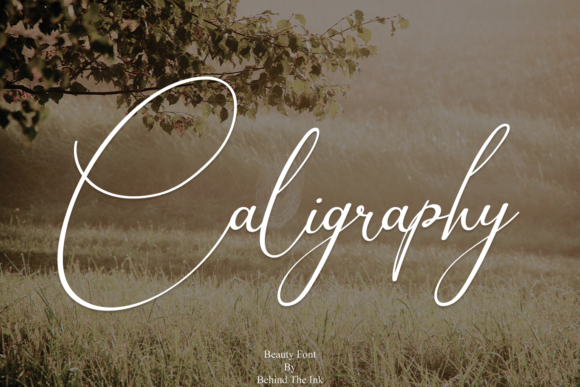
There’s a certain magic that happens when ink meets paper in the right way—a fluid, expressive dance that feels both personal and luxurious. This is the spirit captured by the Caligraphy font. It’s more than just a collection of letters; it’s a visual rhythm. Designed as a romantic and sweet calligraphy script, its characters appear to dance along the baseline, offering a sophisticated yet approachable charm. For anyone looking to inject a sense of human touch and refined beauty into their work, Caligraphy serves as a powerful creative asset.
The Visual Personality: More Than Just Swashes
At its core, Caligraphy is a script font that prioritizes flow and connection. The letterforms are crafted with a natural, handwritten quality, featuring elegant loops and subtle variations in stroke weight that mimic the pressure of a real pen. This creates a sense of movement and grace that static, geometric fonts simply can't replicate. It’s a premium font in the truest sense, designed with attention to the subtle details that make lettering feel alive.
Its personality is decidedly romantic and sweet, but it avoids being overly fussy or illegible. The characters are clear enough to maintain readability at reasonable sizes, making it a versatile creative font. Think of it as the typographic equivalent of a beautifully penned love letter or a signature on a high-end invitation. It communicates care, thoughtfulness, and a touch of luxury. This makes it an excellent choice for projects where you want to establish an emotional connection with the audience.
Where Caligraphy Truly Shines: Real-World Applications
Understanding a font’s strengths is key to using it effectively. Caligraphy’s sweet spot lies in projects that benefit from a personal, upscale, or artisanal feel. It’s not the font for your body text in a technical manual, but it’s perfect for making a headline or a key piece of information stand out with style.
Branding and Identity Design
For logo design, Caligraphy can be a game-changer, especially for businesses in the wedding, beauty, lifestyle, or boutique food industries. It helps build a brand identity that feels elegant and human. Imagine it on a bakery’s logo, a wedding planner’s business card, or the packaging for a handmade skincare line. It instantly communicates a story of craftsmanship and attention to detail. Paired with a clean sans serif font for body text, it creates a beautiful and balanced font pairing that is both professional and inviting.
Marketing and Digital Content
In the crowded digital space, standing out is crucial. Caligraphy can elevate social media graphics, making quotes, announcements, or promotional images feel more premium and shareable. It works wonderfully for call-to-action buttons on web design projects, email newsletter headers, or as a highlight font in digital ads. Its visual appeal naturally draws the eye, improving engagement and helping your key messages cut through the noise. For content creators and bloggers, using Caligraphy for post titles or featured text can add a consistent, recognizable style to your brand.
Publishing and Editorial Design
While not suited for long-form reading, Caligraphy excels in editorial design for pull quotes, chapter titles, or special feature headers in magazines, books, and reports. It adds a layer of sophistication and breaks up the monotony of standard serif or sans serif layouts. In packaging design, it’s ideal for product names, taglines, or artisanal labels, helping to convey the product's quality and story at a glance.
Practical Guidance for Using Caligraphy
Choosing the right font is only half the battle; using it well is what makes the difference. Here’s how to approach integrating Caligraphy into your projects effectively.
Evaluate the Project Fit
Before selecting Caligraphy, ask yourself: Does my project need a touch of elegance, warmth, or personal flair? If you’re designing a corporate financial report, it’s probably not the right fit. But if you’re working on wedding invitations, a boutique hotel’s menu, or a fashion brand’s lookbook, it could be perfect. The goal is to ensure the font’s personality aligns with the message and audience of your project.
Test Readability and Hierarchy
As a display font, Caligraphy is best used for headlines, logos, and short bursts of text. For body copy, always pair it with a highly legible serif font or sans serif font. Test it at the size you intend to use. Does the flow of the letters remain clear? Are the connections between characters easy to follow? Good design is about communication first, so never sacrifice clarity for style. Use Caligraphy to create a strong visual hierarchy—let it be the star for key elements, supported by more neutral fonts for supporting information.
Explore Font Pairings and Included Styles
A great font pairing creates contrast and balance. Try combining Caligraphy with a geometric sans serif for a modern twist, or with a classic serif for a more traditional, elegant feel. See what weights or styles are included with the typeface. Does it have bold or italic variations? These can provide more flexibility within your design system, allowing you to maintain consistency while adding emphasis where needed.
Consider the Licensing
Finally, if you’re using Caligraphy for any commercial work—which includes client projects, merchandise, or monetized content—ensure you have the correct commercial font license. This is a critical step in professional practice. Reputable font providers make licensing clear, so you can use your design assets with confidence, knowing your project is legally sound.
In the end, Caligraphy is a tool for storytelling. It’s a handwritten font that doesn’t just spell out words but infuses them with character and emotion. By understanding its strengths and applying it thoughtfully, you can leverage this beautiful script to create designs that feel genuinely connected, memorable, and polished.