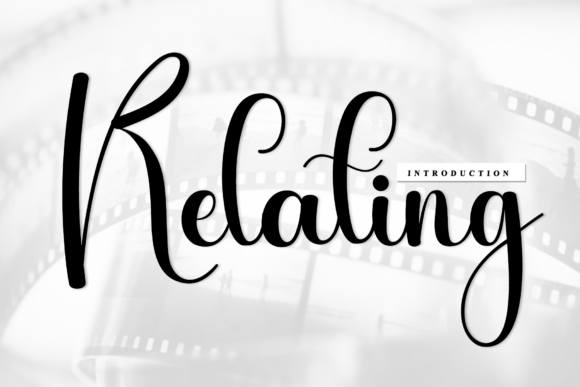
Relating: The Script Font with Artisan Soul
More Than Just Letters: The Visual Voice of Relating
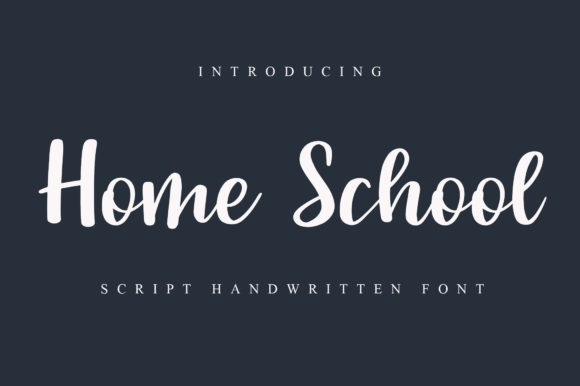
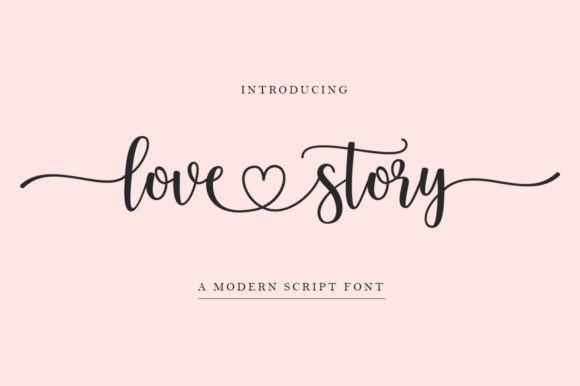
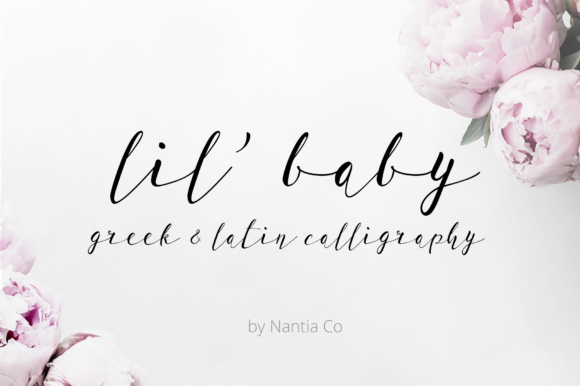
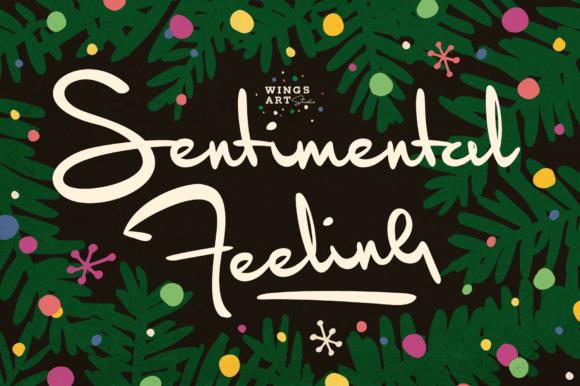
You can often tell a lot about a typeface from its name, and Relating is no exception. This isn't a cold, geometric sans serif or a rigid, traditional serif font. It’s a sophisticated, rhythmic script that feels like a conversation written in ink. At its core, Relating balances a beautiful calligraphic style with a warm, organic aesthetic. It’s designed to feel personal, crafted, and intentionally human.
The most striking feature of Relating is its use of sweeping, looping ascenders. These are the parts of lowercase letters like 'l', 'h', and 'b' that extend above the main body of the letter. In Relating, these loops are elongated and graceful, creating a sense of customized, artisanal artistry. They give the font a dynamic, flowing rhythm that draws the eye along a line of text. This isn't a font that sits still; it has a gentle, confident movement that suggests a hand holding a pen, not a machine stamping out pixels.
The overall personality of the Relating typeface is one of upscale warmth. It feels premium without being pretentious, elegant yet approachable. The letterforms have a slight, natural variation that prevents them from looking overly digital or sterile. This quality is what makes it a standout premium font. It carries the weight of a creative font designed for projects where first impressions and emotional connection are paramount.
Where Relating Truly Shines: Practical Applications
Knowing a font looks beautiful is one thing; knowing where to use it is where the real value lies. As a display font, Relating isn't meant for body copy in a novel. Its strength is in headlines, logos, and short, impactful text blocks where its personality can be fully appreciated. Think of it as the centerpiece of your visual identity.
For brand identity and logo design, Relating is a premier choice for businesses that want to convey craftsmanship and care. Imagine it on the logo for a boutique coffee roaster, a high-end bakery, a handcrafted jewelry line, or a luxury skincare brand. The script font style immediately communicates a story of quality and personal touch. It’s perfect for artisanal food branding and boutique product packaging, where the label needs to tell a story before the product is even opened.
In editorial design and publishing, Relating brings a touch of elegance to magazine covers, chapter titles, and pull quotes. It can elevate a blog header or the title of a digital lookbook, making the content feel more curated and valuable. For upscale lifestyle marketing—think travel agencies, boutique hotels, or wellness retreats—this font helps craft an aspirational yet authentic visual language.
Even in digital spaces, Relating has a role. Used thoughtfully in web design for hero sections or call-to-action statements, it can create a strong focal point. In social media graphics, especially for Instagram quotes, announcement posts, or story highlights, it helps a brand stand out in a crowded feed with a distinct, recognizable style. It’s a versatile design asset for anyone looking to inject personality into their modern typography.
Using Relating Effectively: A Designer's Perspective
Choosing a font like Relating is a strategic decision. It’s not just about picking something pretty; it’s about ensuring it serves your project’s goals. Here’s how to approach it practically.
Evaluate Your Project's Fit: Does your brand or project have a story of craftsmanship, warmth, or personal connection? If yes, Relating is worth exploring. If your brand voice is ultra-minimalist, tech-forward, or highly corporate, a clean sans serif font might be a better primary choice, with Relating used as a subtle accent.
Master the Font Pairing: A script font like Relating needs a partner. It works beautifully with clean, neutral typefaces that don’t compete for attention. Pair it with a simple serif font for a classic, editorial feel, or a modern sans serif font for a crisp, contemporary look. The key is contrast and balance. Let Relating be the star in the headline, and use its partner for supporting text and body copy to ensure readability.
Test for Readability and Hierarchy: Always test the font at the size you intend to use it. While stunning in large headlines, the intricate details of its loops may become lost or create visual noise in very small sizes. Use it to establish a clear visual hierarchy—it should command attention for titles and key phrases, not be used for every piece of text on the page.
Review the Full Package: A quality commercial font like Relating often comes with more than just basic letters. Look for included styles—does it have a solid, non-script companion? Does it include a full set of punctuation, numerals, and multilingual characters? Are there stylistic alternates or ligatures that allow for more customization? This versatility is part of what you invest in with a premium font.
Understand the License: Before finalizing, ensure the font’s license covers your intended use. Whether it’s for a single client project, unlimited commercial work, or embedding in a mobile app, the licensing terms for design assets like this are crucial for professional use.
Ultimately, fonts like Relating are more than just letters on a screen. They are tools for shaping perception, building recognition, and engaging an audience on an emotional level. When used with intention, it doesn’t just display words—it helps tell a deeper story. It’s a powerful piece in a designer’s toolkit for projects that demand a personal, artisanal, and professionally crafted touch. For entrepreneurs, marketers, and creators, selecting the right typeface is a foundational step in building a brand identity that feels authentic and resonates deeply with its intended audience. The choice of Relating is a choice for warmth, sophistication, and a human connection that stands out in our digital world.