Mightbee: Crafting Authentic Brand Identities
In a digital landscape saturated with sharp, geometric sans serif fonts and rigid corporate typefaces, there is a growing hunger for humanity in design. We are seeing a shift toward aesthetics that feel personal, tactile, and handmade. This is precisely where Mightbee enters the conversation. It is not merely a collection of letters; it is a visual representation of elegance and flow. As a modern handwritten script font, Mightbee bridges the gap between the spontaneous energy of a signature and the legibility required for professional design assets. It captures the essence of a hand-lettered note, bringing a warmth to digital projects that standard serif or sans serif fonts often lack.
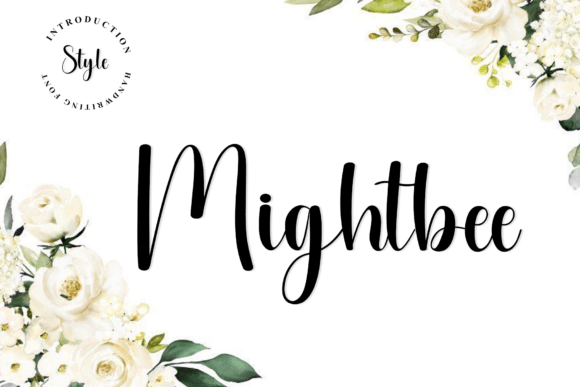
What defines the visual personality of Mightbee is its deliberate balance of movement and structure. The typeface features smooth, generous curves and graceful, elongated strokes that sweep across the page with a natural rhythm. Unlike many casual handwriting fonts that can appear messy or amateurish, Mightbee maintains a sophisticated, polished aesthetic. It feels "luxurious" without being pretentious. This is a critical distinction for designers and entrepreneurs. When you use a font like this, you are signaling that your brand pays attention to detail. The fluidity of the letterforms suggests care and craftsmanship, making it a powerful tool for anyone looking to establish a premium brand identity.
Visual Hierarchy and the Art of the Signature
One of the most effective ways to utilize a script font like Mightbee is to manage visual hierarchy. In design, hierarchy is how we guide the viewer’s eye from the most important element to the least important. Typically, bold sans serif fonts are used for headlines, but they can sometimes feel aggressive. Mightbee offers a softer alternative for display text. Because of its flowing nature, it commands attention not through volume, but through beauty. It works exceptionally well as a display font for hero images, website headers, or magazine mastheads where you want to evoke emotion immediately.
However, the practical application of a handwritten font requires an understanding of its strengths. Mightbee is designed to be a star player, not a background singer. It thrives in environments where it can breathe. If you crowd it into tight spaces or use it for long-form body text, you lose the elegance of those elongated strokes. For body copy, you should always pair it with a highly legible typeface. This brings us to the concept of font pairing. Because Mightbee has such a distinct, organic personality, it pairs beautifully with clean, geometric sans serif fonts or classic serif fonts. The contrast between the rigid structure of a sans serif and the fluid curves of Mightbee creates a dynamic tension that makes the overall design more engaging.
Real-World Applications: From Wedding Stationery to Packaging
For those in the wedding industry or luxury event planning, Mightbee is an obvious choice. Wedding stationery requires a typeface that feels romantic, personal, and timeless. This script font delivers all three. Imagine a wedding invitation where the names of the couple are rendered in Mightbee, set against a soft, textured paper background. The font’s natural flow mimics the look of expensive calligraphy, but with the consistency and ease of digital typesetting. It removes the stress of hiring a live calligrapher while maintaining that high-end, bespoke look that clients expect.
Beyond weddings, the commercial applications are vast. Consider packaging design for boutique products. If you are a small business owner selling artisanal soaps, gourmet chocolates, or high-end cosmetics, your packaging is your silent salesperson. Using Mightbee on your labels can instantly elevate the perceived value of the product. It suggests that the product inside is crafted with the same care as the typography on the outside. It works particularly well for brands that want to highlight a "natural," "organic," or "handmade" ethos without using generic clipart. The font itself communicates the brand story.
Photographers and content creators will also find immense value in this typeface. A watermark is a necessary evil for protecting intellectual property, but it doesn't have to be an eyesore. A signature-style watermark using Mightbee can be semi-transparent and elegant, protecting the image without ruining the composition. Similarly, for social media graphics, this font can be used to create inspirational quotes, headers for Instagram stories, or personal branding logos that stand out in a crowded feed. It adds a layer of professionalism that standard system fonts simply cannot provide.
Strategic Integration: Licensing and Readability
Adopting a new typeface into your design toolkit involves more than just downloading a file; it requires strategic thinking about commercial licensing and technical execution. Mightbee is a professional typeface, which means it is built with high-quality vector paths that scale cleanly from a business card to a billboard. However, before integrating it into a major campaign, designers must review the licensing terms. Most premium fonts have different licenses for desktop use (printing), web use (embedding in CSS), and server use (for apps or POD sites). Ensuring you have the correct license protects your client and your business from legal headaches down the road.
Readability is another crucial factor. While Mightbee is a beautifully flowing script font, context matters. When using it for logos or headlines, it is wise to test how the specific letter combinations interact. Sometimes, certain capital letters in script fonts can look disjointed when paired with specific lowercase letters. Professional designers know to look at the kerning (the space between characters) and the ligatures (how letters connect). Mightbee generally handles these connections gracefully, but testing is always recommended. Try typing out the actual brand name or headline text before committing to the design.
Finally, think about the brand identity ecosystem. If you choose Mightbee for your logo, you shouldn't stop there. Use it sparingly but consistently across your touchpoints. Perhaps it appears in the signature at the bottom of your email newsletter, or as the quote marks in your editorial design. This consistency builds recognition. When a customer sees that specific, elegant curve, they will associate it with your brand before they even read the words. In a world of generic templates, Mightbee offers a way to inject personality, sophistication, and a distinct human touch into your creative work. It is a versatile asset that, when used thoughtfully, can transform a standard project into something truly memorable.