France: The Typewriter Serif Font with Vintage Soul
There's something undeniably charming about the clickety-clack of a typewriter—the way letters stamped themselves onto paper with a satisfying weight and imperfect texture. That tactile nostalgia lives within France, a serif font that draws directly from the DNA of vintage typewriter letterforms. If you've been searching for a typeface that feels handmade yet polished, historical yet usable, France might be exactly what your next project needs.
What Makes France Stand Out Visually
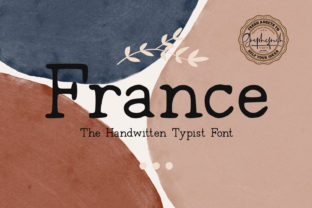
France isn't trying to replicate a specific typewriter model. Instead, it captures the essence of that era—letters that feel pressed into the page, with subtle irregularities that give each character a sense of authenticity. The serifs are present but not aggressive. The strokes carry a medium weight that reads comfortably at body sizes while still holding personality at display scale.
What you'll notice first is the warmth. Unlike sterile digital typefaces, France has organic character. The terminals aren't perfectly rounded. The spacing breathes. There's a deliberate imperfection baked into the design that prevents it from looking cold or mechanical. This is a creative font that respects its analog roots while functioning cleanly in modern workflows.
The letterforms lean slightly upright, avoiding the stiffness of traditional book serifs while steering clear of italic slant. That middle ground makes France versatile—it can whisper quietly in a paragraph of body copy or shout confidently in a headline. The numerals and punctuation share the same handcrafted sensibility, which means your entire layout maintains visual consistency from start to finish.
Where France Truly Shines
Understanding a premium font means understanding its sweet spots. France excels in projects where personality, warmth, and authenticity matter more than clinical precision. Here's where it naturally fits:
- Brand identity and logo design for artisan businesses, independent coffee roasters, boutique hotels, handmade goods shops, and heritage-inspired brands. France communicates craftsmanship without feeling pretentious.
- Editorial design including magazine headers, book covers, zine layouts, and newspaper-style publications. The typewriter aesthetic pairs beautifully with long-form storytelling.
- Packaging design for food products, craft beverages, candles, skincare, and any physical product that wants to signal small-batch authenticity.
- Web design hero sections, about pages, and blog headers where you want visitors to feel an immediate emotional connection rather than corporate detachment.
- Social media graphics—Instagram quotes, Pinterest pins, and promotional cards that need to stop a scrolling thumb with visual character.
France also works surprisingly well for personal projects. Think wedding invitations with a vintage twist, family recipe cards, journal headers, or scrapbook titles. Hobbyists and crafters will find that this serif font adds instant character without requiring advanced design skills.
How Font Choice Shapes Perception
Every typeface carries psychological weight. When someone encounters France in your design, their brain registers more than just letters—it processes a feeling. The typewriter association triggers ideas of authenticity, deliberate effort, and human touch. In a marketplace flooded with slick, algorithmic aesthetics, that tactile impression becomes a genuine competitive advantage.
Consider how this plays out in brand identity work. A small-batch hot sauce brand using France on its labels immediately signals handmade quality. A memoir-style blog using France for headers suggests thoughtful, personal writing. A vintage clothing shop using this font across its social media graphics reinforces its curated, nostalgic positioning. The font does strategic work before a single word is read.
Readability remains critical, and France handles it well. At smaller sizes, the letterforms maintain distinct shapes that prevent confusion between similar characters. The x-height is generous enough for comfortable reading in paragraphs, though you'll want to test line spacing carefully. For body copy on screens, pairing France with a clean sans serif font for supporting text creates a balanced hierarchy that guides the eye naturally.
Practical Guidance for Working with France
Before committing to any commercial font, smart designers and business owners evaluate fit methodically. Start by collecting 3-5 reference projects similar to yours and mock up your key deliverables using France. Does it support your message or compete with it? A display font should amplify content, not distract from it.
Font pairing deserves intentional attention. France pairs well with geometric sans serifs for modern contrast, or with a flowing script font for layered vintage compositions. Avoid pairing it with other heavily textured typefaces—you'll create visual noise rather than harmony. Test your combinations at multiple sizes and on different backgrounds before finalizing.
Review the included styles within the font family. Many premium fonts ship with multiple weights, alternates, ligatures, and language support. Understanding what's available prevents you from purchasing additional design assets unnecessarily. Check whether France includes bold and italic variants, as these affect your typographic flexibility significantly.
Licensing matters more than most people realize. If you're using France for web design, verify that the license covers webfont formats. If you're creating products for sale—merchandise, templates, printed goods—confirm the commercial license permits that use. Reading license terms takes five minutes and prevents legal headaches months later.
Testing for Real-World Readability
Print a sample. View it on your phone. Check it on a projector. Read it at arm's length. Modern typography demands that fonts perform across wildly different contexts, and what looks gorgeous on your 27-inch monitor might fall apart on a business card. France holds up reasonably well across media thanks to its balanced proportions, but your specific application deserves specific testing.
Pay attention to how France renders at your target size. If you're designing a 200-page annual report, the font needs to remain comfortable across hundreds of paragraphs. If you're creating a single poster, you have more freedom to let the font's personality dominate. Context determines everything.
Final Thoughts on Bringing France into Your Work
The best font choices feel inevitable—like the typeface was always meant to serve that particular message. France occupies a meaningful space in modern typography: it bridges historical charm and contemporary usability. It speaks to audiences who value authenticity, craftsmanship, and intentional design over mass-produced aesthetics.
Whether you're a designer building a client's brand identity, an entrepreneur launching a product line, a publisher curating editorial voice, or a hobbyist creating something purely for personal joy, France offers a distinctive voice worth exploring. Download a test specimen. Set your own words in it. See whether the vintage soul of this serif font resonates with the story you're trying to tell.