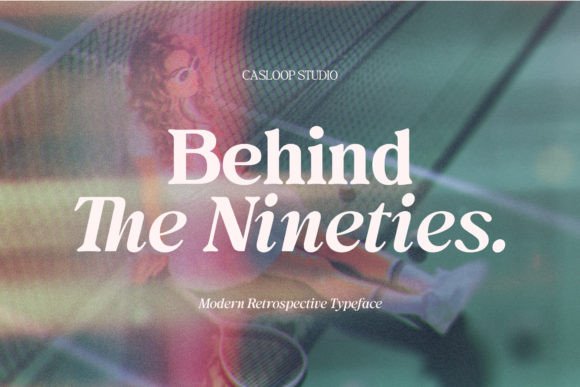
Behind the Nineties: A Serif Font with Timeless Appeal
There’s a distinct feeling that comes with design work from the early 1990s. It was an era of transition, where the bold, graphic styles of the 80s began to soften into something more refined, digital, and introspective. It’s this specific blend of nostalgia and sophistication that the Behind the Nineties typeface so perfectly captures. This isn't just another serif font; it's a carefully crafted design asset that brings a unique personality to any project. For designers, marketers, and creators looking for a typeface with both character and class, understanding this font is the first step toward elevating your work.
Understanding the Visual Personality of Behind the Nineties
At its core, Behind the Nineties is a premium font that balances elegance with a subtle, contemporary edge. Its letterforms are defined by clean, well-proportioned serifs and a moderate stroke contrast, giving it a sense of stability and readability. The real magic, however, is in the details. The terminals have a soft, slightly rounded finish, and the overall spacing feels open and airy. This combination results in a typeface that feels both classy and elegant without being overly formal or stuffy. It’s a serif font that avoids the stiffness of a traditional Times New Roman while steering clear of the stark minimalism of a modern sans serif. The personality it projects is one of quiet confidence, creativity, and a nod to a stylish past, making it an incredibly versatile tool in a designer's kit.
Where This Font Truly Shines: Practical Applications
The true value of a creative font like Behind the Nineties lies in its application. Its balanced design makes it surprisingly adaptable across a wide range of mediums. In logo design, it can establish a brand identity that feels established, trustworthy, and thoughtfully curated. Think of a boutique hotel, an artisanal coffee brand, or an independent publisher—the font immediately communicates quality and a distinct point of view.
For editorial design and publishing, it’s a standout choice. As a headline font for magazines, blogs, or book covers, it commands attention with its stylish flair. For longer body text, its excellent readability ensures a comfortable reading experience, which is crucial for audience engagement. In packaging design, the font can add a layer of premium appeal, making a product feel more considered and high-end on the shelf.
Digital applications are equally strong. In web design, Behind the Nineties can be used for impactful hero text, section headers, or pull quotes to create a clear visual hierarchy. It translates beautifully to social media graphics, where a distinctive font can help a brand stand out in a crowded feed. For entrepreneurs and small business owners, using this typeface consistently across your website, social media, and marketing materials is a straightforward way to build brand identity and recognition.
How a Thoughtful Typeface Influences Your Project's Success
Choosing a font is never just about aesthetics; it's a strategic decision that influences how your message is received. A well-chosen typeface like Behind the Nineties directly impacts readability, which is the foundation of communication. If your text is easy to read, people are more likely to engage with your content. Its structure also aids in creating a strong visual hierarchy, guiding the viewer's eye from the most important information (like a headline) to supporting details.
More subtly, the font influences brand perception. The elegance and nostalgic charm of Behind the Nineties can make a brand feel more authentic, creative, and human. It helps foster an emotional connection, which is far more powerful than a generic, forgettable typeface. When used consistently, it becomes a key component of your brand's professionalism and visual identity, building trust and recognition over time.
A Practical Guide to Choosing and Using Behind the Nineties
Integrating a new font into your workflow requires a bit of thought. Here’s some practical guidance for working with Behind the Nineties.
Evaluating Project Fit
Before you commit, consider the project's goals. Is the goal to feel nostalgic, trustworthy, or creatively bold? Behind the Nineties excels in projects that call for a blend of sophistication and approachable style. It’s less suited for ultra-modern, tech-focused startups that might benefit from a geometric sans serif font, but it’s perfect for brands in the lifestyle, fashion, publishing, or artisanal space.
Mastering Font Pairings
A great font pairing creates harmony and contrast. Behind the Nineties works beautifully with a clean, simple sans serif for body text or subheadings. Think of pairing it with a font like Lato, Open Sans, or Montserrat. This contrast allows the serif’s personality to shine in headlines while the sans serif ensures effortless readability for longer paragraphs. You could also pair it with a subtle script font or handwritten font for accents, but use these sparingly to avoid visual clutter.
Exploring the Font Styles
Check what styles are included in the font family. Most premium fonts offer Regular, Bold, and Italic versions at minimum. Using a Bold weight for headlines and Regular for body text is a classic and effective way to establish hierarchy. The Italic style can be used for emphasis, quotes, or subtitles to add variety and guide the reader’s eye.
Readability and Licensing
Always test the font at the size you intend to use it. While Behind the Nineties is designed for readability, a quick check on different screen sizes or in a print mockup is essential. Finally, ensure you have the correct commercial font license for your project. If you’re using it for a client, for merchandise, or in a digital product, a commercial license is required. Reputable foundries and font marketplaces make this process clear and straightforward, protecting both you and the font’s creator.
In the end, Behind the Nineties is more than just a display font. It’s a versatile and expressive tool that can inject personality, clarity, and a touch of timeless style into a wide array of creative projects. By understanding its strengths and applying it thoughtfully, you can leverage its unique character to create more compelling and effective designs.