Aboro: A Futuristic Display Font for Modern Design
In a digital landscape crowded with competing voices, the right typography is no longer a background detail—it's your opening statement. For designers, brand strategists, and content creators, finding a typeface that is both forward-looking and functionally versatile is a constant challenge. Enter Aboro, a futuristic design and space display font engineered for impact. It’s not just another digital asset; it’s a strategic tool for crafting visual identities that feel both immediate and enduring.
The Anatomy of a Forward-Thinking Typeface
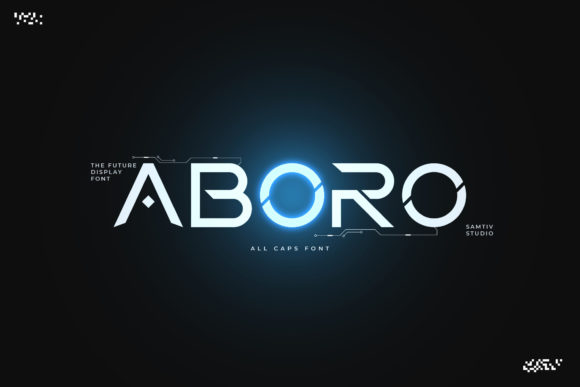
At its core, Aboro is a premium font built on a foundation of clean, geometric forms. Its visual characteristics are defined by sharp, precise lines, consistent stroke widths, and a harmonious balance of positive and negative space. This isn't a cold, robotic typeface, though. There's a subtle warmth in its curves and a deliberate rhythm in its letter spacing that give it a modern typography sensibility. The personality of Aboro is confident, technical, and inherently innovative. It speaks of progress, precision, and clarity—qualities that resonate deeply in tech, automotive, gaming, and aerospace sectors.
The style and overall appeal lean into sci-fi, cyberpunk, or robotic themes without being overly literal. It avoids the common trope of overly decorative, hard-to-read "future" fonts. Instead, Aboro maintains excellent readability at display sizes, making it a practical choice for logo design, headline composition, and branding where first impressions are critical. Its design feels timeless because it focuses on fundamental principles of legibility and form rather than fleeting trends.
Where Aboro Truly Shines: Practical Applications
Understanding where a display font like Aboro works best is key to leveraging its full potential. Its strength lies in high-impact, short-form text. Think of it as the headline act, not the supporting narrator.
In branding and logo design, Aboro can establish a brand's core identity as being innovative and authoritative. A tech startup, a software-as-a-service (SaaS) platform, or a creative agency could use Aboro for its wordmark or primary lockup to immediately signal a forward-thinking approach. For packaging design, especially for electronics, energy drinks, or any product emphasizing cutting-edge performance, the font provides a sleek, professional finish that stands out on a shelf or in an e-commerce thumbnail.
Digital applications are where Aboro's versatility truly expands. In web design, it is perfect for hero section headlines, feature titles, and call-to-action buttons. Its clarity ensures your message is understood instantly, even on mobile screens. For social media graphics, where attention spans are short, Aboro creates scroll-stopping titles for videos, promotional posts, and event announcements. Its futuristic vibe is also ideal for editorial design in digital magazines or blogs covering technology, science, or design trends, adding a layer of sophistication and relevance to the layout.
Beyond commercial use, Aboro is a valuable design asset for personal projects. Crafters and hobbyists can use it to create striking digital scrapbook elements, futuristic-themed invitations, or custom apparel graphics. The key is to use it strategically for points of emphasis, not for long paragraphs of body copy.
Font Pairing and Building a Cohesive Visual System
A creative font rarely works in complete isolation. The art of font pairing is about creating contrast and hierarchy that guides the viewer's eye. Aboro, as a sans serif font with a strong geometric personality, pairs exceptionally well with a wide range of complementary typefaces.
For a balanced and highly readable combination, pair Aboro with a clean, neutral sans serif font for body text. Fonts like Inter, Roboto, or Lato provide a quiet, functional background that allows Aboro's headlines to command attention without visual competition. This pairing is ideal for web design and editorial design where clarity is paramount.
To create a more dynamic and high-contrast visual hierarchy, consider pairing Aboro with a classic serif font. The combination of a futuristic display face with a traditional serif like Georgia or Merriweather creates a compelling tension between innovation and timelessness. This can be powerful for brand identity materials that want to feel both advanced and trustworthy.
Avoid pairing Aboro with other highly decorative display fonts, script fonts, or handwritten fonts. This often leads to visual clutter and undermines the professional, clean aesthetic that Aboro is designed to deliver. The goal is to let its unique character stand out, supported by a complementary, subordinate typeface.
Evaluating Fit and Making the Decision
Before integrating Aboro into your next project, conduct a simple evaluation. First, define the project's core message and audience. Is the goal to appear innovative, reliable, or disruptive? Aboro excels when the message aligns with progress and modernity. Second, test it in context. Mock up your headline, logo, or social media graphic. Does it feel cohesive with your imagery and color palette? Finally, review the included font styles and weights. A robust family often includes variations like Regular, Bold, and Italic, which provide flexibility for creating visual hierarchy within your Aboro-powered text.
Remember to always consider commercial licensing for any professional or client work. Ensure the license covers your intended use, whether for digital products, print media, merchandise, or software embedding. Using a commercial font like Aboro correctly not only protects you legally but also supports the type designers who create these essential tools.
Ultimately, Aboro is more than a futuristic design font; it's a versatile instrument for visual communication. By applying it thoughtfully to the right projects and pairing it wisely, you can create designs that are not only visually striking but also strategically effective, ensuring your brand or message feels distinctly prepared for what's next.