Ranmor: A Bold Slab Serif for Impactful Design
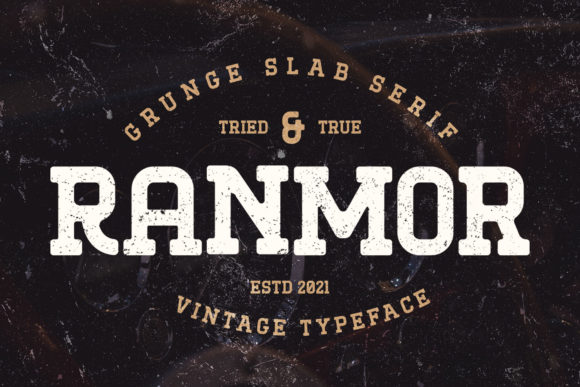
In the world of digital design and branding, the right typeface is a silent partner. It doesn’t just display words; it carries weight, evokes emotion, and builds instant recognition. For designers, entrepreneurs, and creators seeking a typeface with undeniable presence, Ranmor emerges as a compelling choice. This is not your everyday serif font. Ranmor is a bold, vintage-styled slab serif with thick, confident letterforms designed to command attention. Its personality is rooted in strength and authenticity, making it an excellent tool for projects that need to stand out in a crowded visual landscape.
The Visual Character and Appeal of Ranmor
At its core, Ranmor is a premium font that blends the structural reliability of a slab serif with a distinct vintage flair. The thick strokes and blocky serifs give each letter a substantial, grounded feel. This isn’t a delicate or whimsical typeface; it’s a workhorse built for headlines, logos, and any context where text needs to make a statement. The vintage styling is subtle, avoiding kitsch in favor of a timeless, industrial quality. Think of old workshop signage or classic poster lettering—Ranmor captures that spirit of craftsmanship and durability.
A key feature is its extensive character set. Being PUA encoded means all the decorative glyphs, swashes, and alternates are easily accessible. For a brand identity project, this allows for unique customization. You can use a swash on an initial letter in a logo or an alternate glyph in a headline to create a one-of-a-kind mark. This level of detail transforms the font from a simple design asset into a versatile creative toolkit. The overall appeal lies in its ability to be both familiar and fresh—a classic style executed with modern precision and expanded utility.
Where Ranmor Truly Shines: Practical Applications
Understanding a font’s personality is one thing; knowing where to apply it is where real value is created. Ranmor excels in scenarios where impact and clarity are paramount. As a display font, it’s engineered for large sizes. This makes it a natural fit for logo design, where a brand’s name needs to be legible and memorable at a glance. Its bold weight ensures visibility across various mediums, from a tiny favicon to a massive billboard.
Beyond logos, consider its role in packaging design. On a shelf, products compete for attention in milliseconds. Ranmor’s strong silhouette can help a product stand out, conveying a sense of quality, heritage, or robustness. It’s equally effective in editorial design for magazine covers or chapter titles, where it can set a authoritative tone. For web design, it works beautifully for hero sections, buttons, and navigation elements that guide the user’s eye. In the fast-scrolling world of social media graphics, a bold headline set in Ranmor can stop the scroll and increase engagement.
It’s also a powerful tool for small business owners and crafters. Imagine a coffee roaster using Ranmor for their bag labels, a brewery for tap handles, or a boutique for signage. The font’s vintage quality can evoke tradition and handcrafted care, while its boldness ensures readability. For content creators and bloggers, using it for chapter titles or pull quotes can add a layer of professional polish to digital publications or printed books.
Integrating Ranmor into Your Design Workflow
Choosing a font like Ranmor is just the first step. Integrating it effectively requires some practical consideration. Start by evaluating the project’s overall tone. Ranmor is ideal for projects that aim to be bold, confident, classic, or industrial. It may be less suitable for designs requiring a light, airy, or ultra-modern minimalist aesthetic.
One of the most critical steps is font pairing. Because Ranmor has such a strong personality, it pairs best with simpler, more neutral typefaces. A clean sans serif font for body text is a classic and effective combination. The contrast allows Ranmor to dominate headlines while the sans serif ensures long-form content remains readable. You could also pair it with a simple script font or handwritten font for a touch of elegance or personality, but use such pairings sparingly to avoid visual clutter.
Always test the font in context. Mock up your logo on different backgrounds, see how your social media post looks on both desktop and mobile screens, and check the readability of a headline at various sizes. Pay attention to the specific letter combinations in your brand name—some fonts handle certain ligatures better than others. Finally, review the licensing. Since Ranmor is a commercial font, ensure its license covers your intended use, whether for a client project, merchandise, or digital products. Using a font correctly is part of maintaining professionalism and respecting the work of type designers.
In the end, a typeface like Ranmor is more than just a collection of letters. It’s a strategic element that can influence visual hierarchy, reinforce brand perception, and create a consistent voice across all touchpoints. By choosing it thoughtfully and applying it with purpose, you leverage its inherent strength to build more recognizable and engaging creations. Let its bold character do the heavy lifting, and you’ll likely be amazed at the cohesive and powerful outcome it generates.